
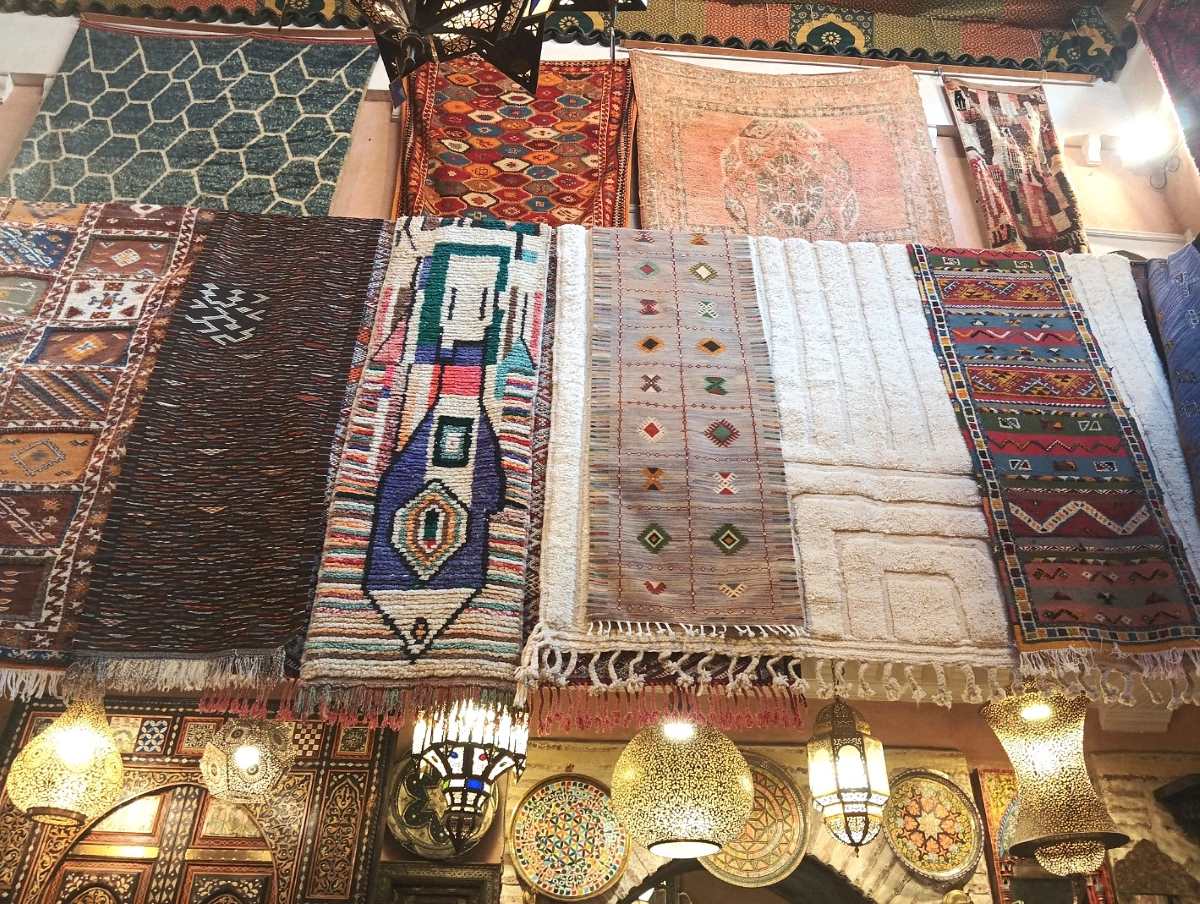
The Moroccan Rug: The Soul of an Ancestral Art at the Heart of Moroccan Hospitality
A symbol of elegance, heritage, and authenticity, the Moroccan rug has stood the test of time while preserving its unique emotional power. At the crossroads of craftsmanship, decoration, and the art of hospitality, it holds a special place in interiors as well as in the most beautiful celebrations in Marrakech.
A Tradition Born from Everyday Life
Long before becoming a decorative piece admired around the world, the Moroccan rug served an essential purpose. In Morocco’s mountainous and desert regions, Amazigh communities used it to insulate floors, protect their homes, and create a warmer living environment.
Over time, this original function evolved into a more artistic form of expression. The rug gradually became a piece of character: useful, aesthetic, and deeply rooted in Moroccan cultural identity.
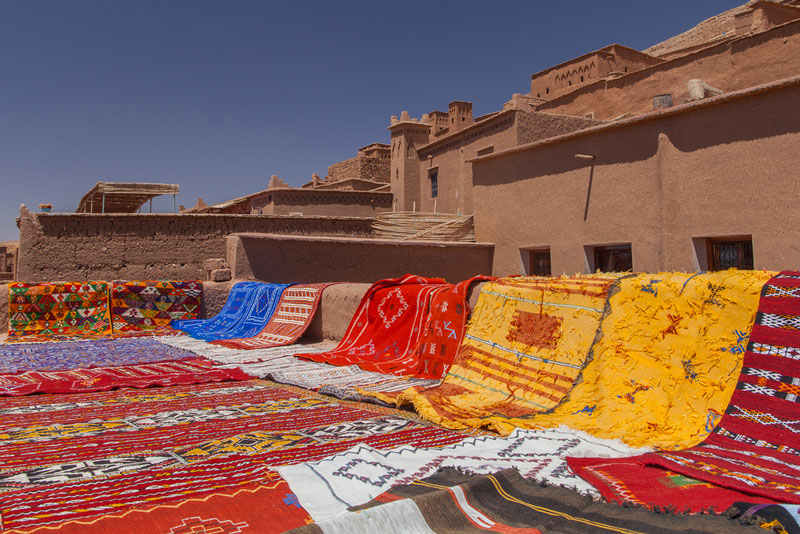
A Silent Language, Between Symbols and Emotions
Every Moroccan rug carries a story. Its geometric patterns, free-flowing lines, and sometimes abstract shapes reflect a rich imagination inspired by nature, the cycles of life, protection, femininity, and family memory.
Some compositions remain intentionally enigmatic. It is precisely this sense of mystery that gives the rug its depth. Beyond tradition, each piece also expresses the inner world of the artisan who created it.
A Noble Material: Wool
Wool remains the emblematic material of the Moroccan rug. Natural, resistant, and warm, it gives the rug its comfort, structure, and durability. Before weaving, it goes through several stages: washing, carding, spinning, and sometimes artisanal dyeing.
This long process highlights a precious know-how passed down from generation to generation, where every gesture contributes to the singularity of the final piece.
Color as a Signature
In the world of Moroccan rugs, color is not used only to embellish. It creates rhythm, asserts an identity, and awakens emotion. The shades may be deep, luminous, subtle, or vibrant, depending on the regions, inspirations, and techniques used.
Traditionally, many colors came from natural pigments extracted from plants, bark, or minerals. This chromatic richness continues to enhance the timeless charm of the Moroccan rug today.
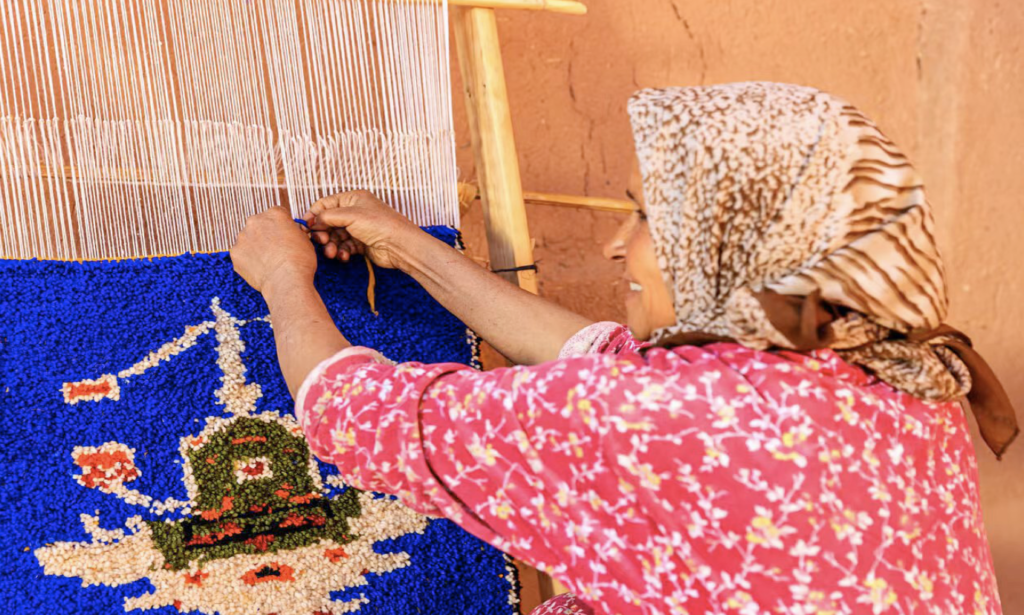
The Art of Weaving: Precision and Patience
The rug comes to life on the loom, where patience meets mastery of gesture. Depending on tradition, it may be flat-woven, like a kilim, or knotted for a denser and more enveloping finish.
The small irregularities observed on certain pieces are not flaws. On the contrary, they are proof of authenticity and a reminder that an artisanal rug is, above all, a human creation.
A Work That Stands the Test of Time
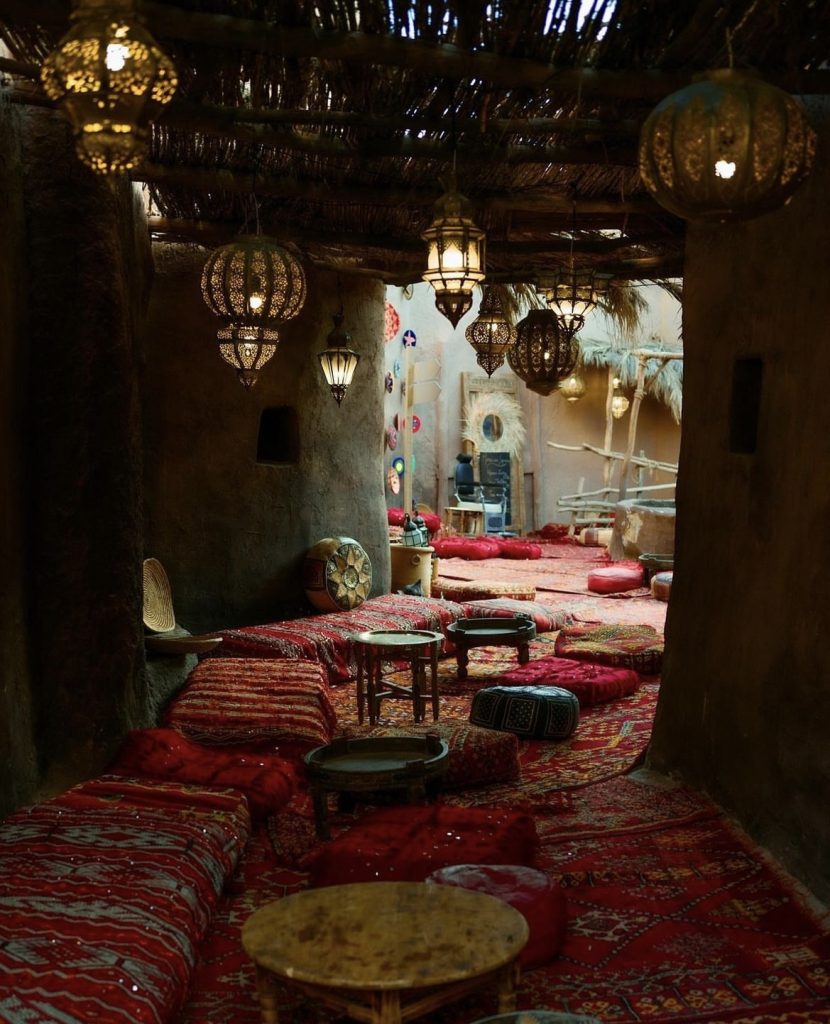
Choosing a Moroccan rug means welcoming a unique piece, handmade and carrying a story. Its presence transforms a space, gives it character, and creates an immediate connection between tradition and contemporary art of living.
Durable and timeless, it accompanies the years with elegance. More than an object, it becomes a living element of a place’s atmosphere.
An Art at the Heart of the Moroccan Experience
The Moroccan rug embodies, on its own, a certain vision of hospitality: generous, refined, and deeply rooted in local culture.
Within the world of Hotel Le Gallia, it extends this experience by bringing texture, warmth, and emotion to every space. It reminds us that the most beautiful places are often those that know how to tell a story through details.